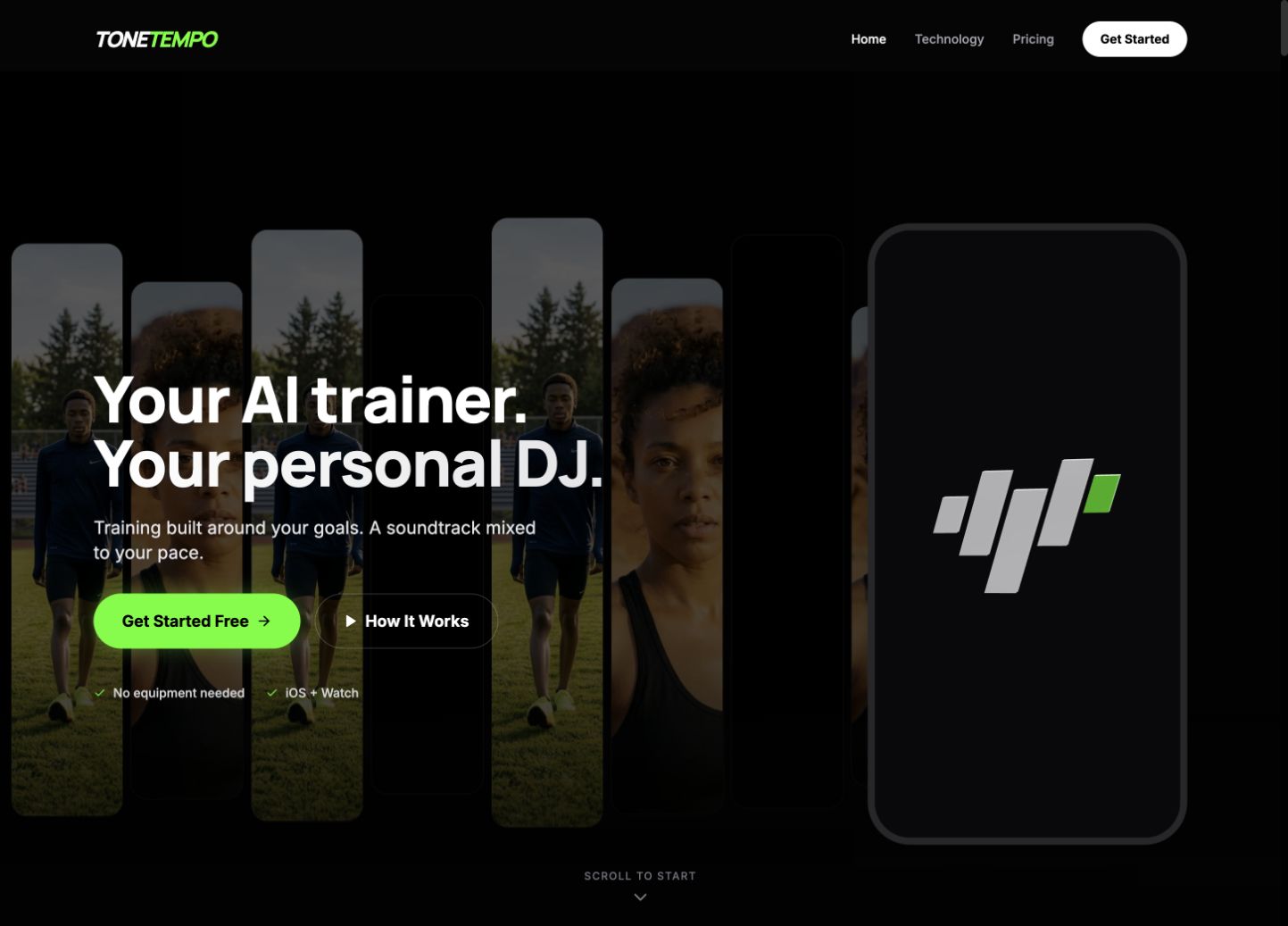
I built ToneTempo to bring personalized training, AI coaching and adaptive music together across iOS and web, owning product direction, UX and engineering from workout modes to music playback.
Full-Stack Development
Artificial Intelligence
iOS Development
Product Design
Audio Engineering
One connected experience
My work spans welcome and onboarding, exercise and running modes, music playback, AI coaching and the interview after an athlete's training session. The goal is to make training, guidance and music feel like one product.
Engineering and product ownership
I developed the application and supporting services alongside the interactive-audio technology. The music work uses Rust/WASM and native audio tooling; the granted patent is documented in a separate portfolio entry.
Product storytelling
I directed and produced the attached advertisement in collaboration with our editor. The homepage pairs product positioning with a scroll-driven phone demonstration and video-led creative.
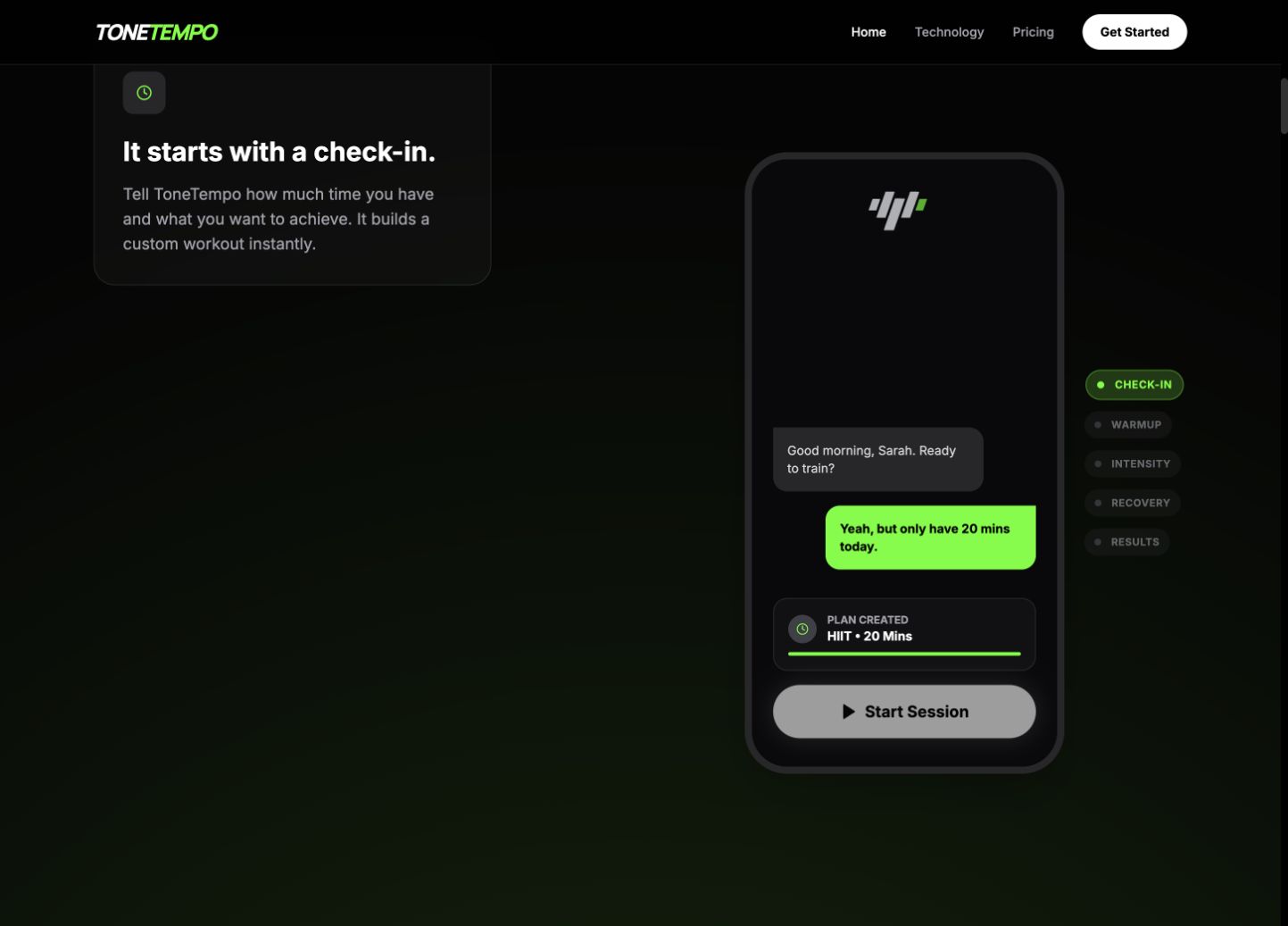
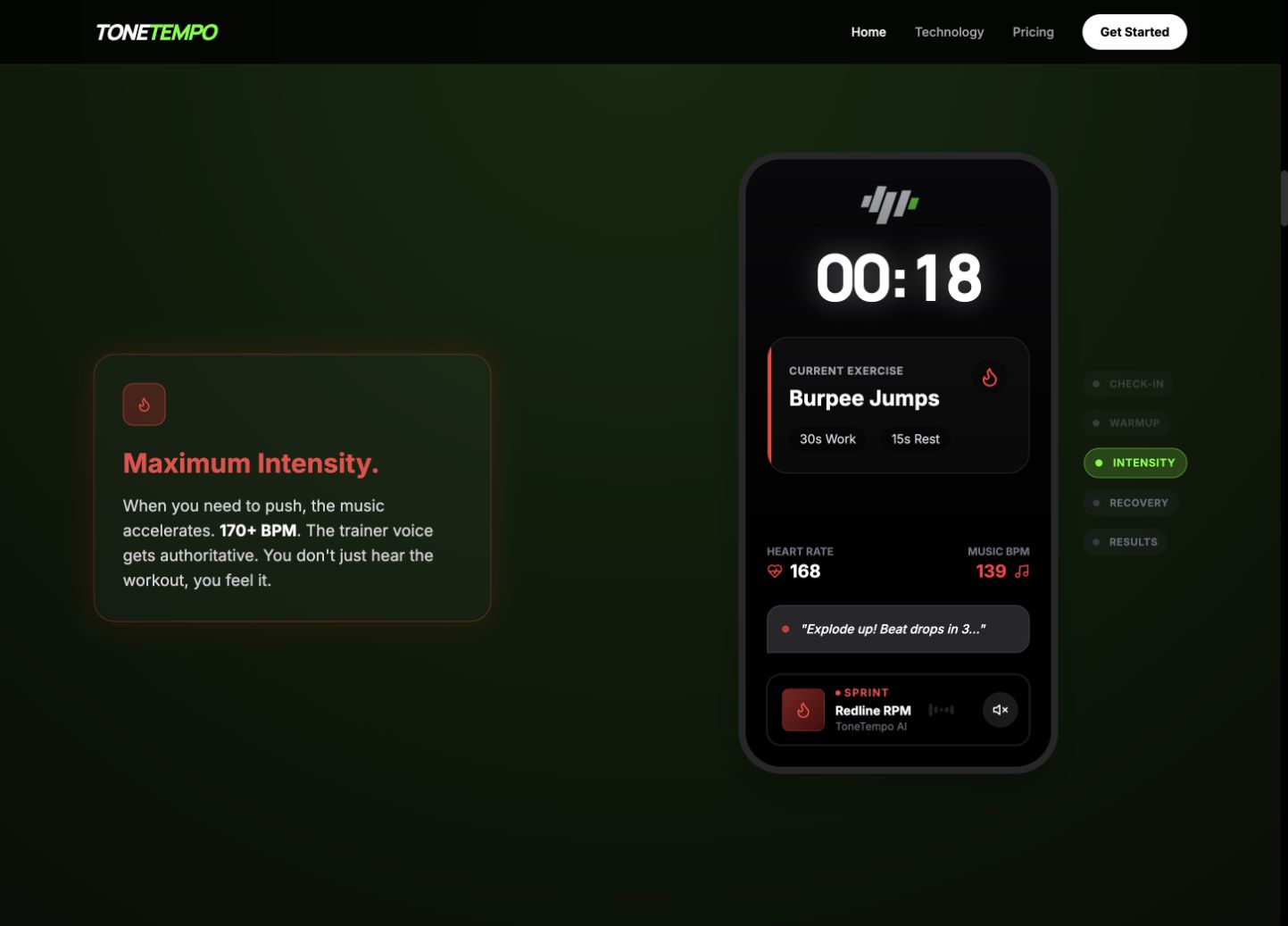
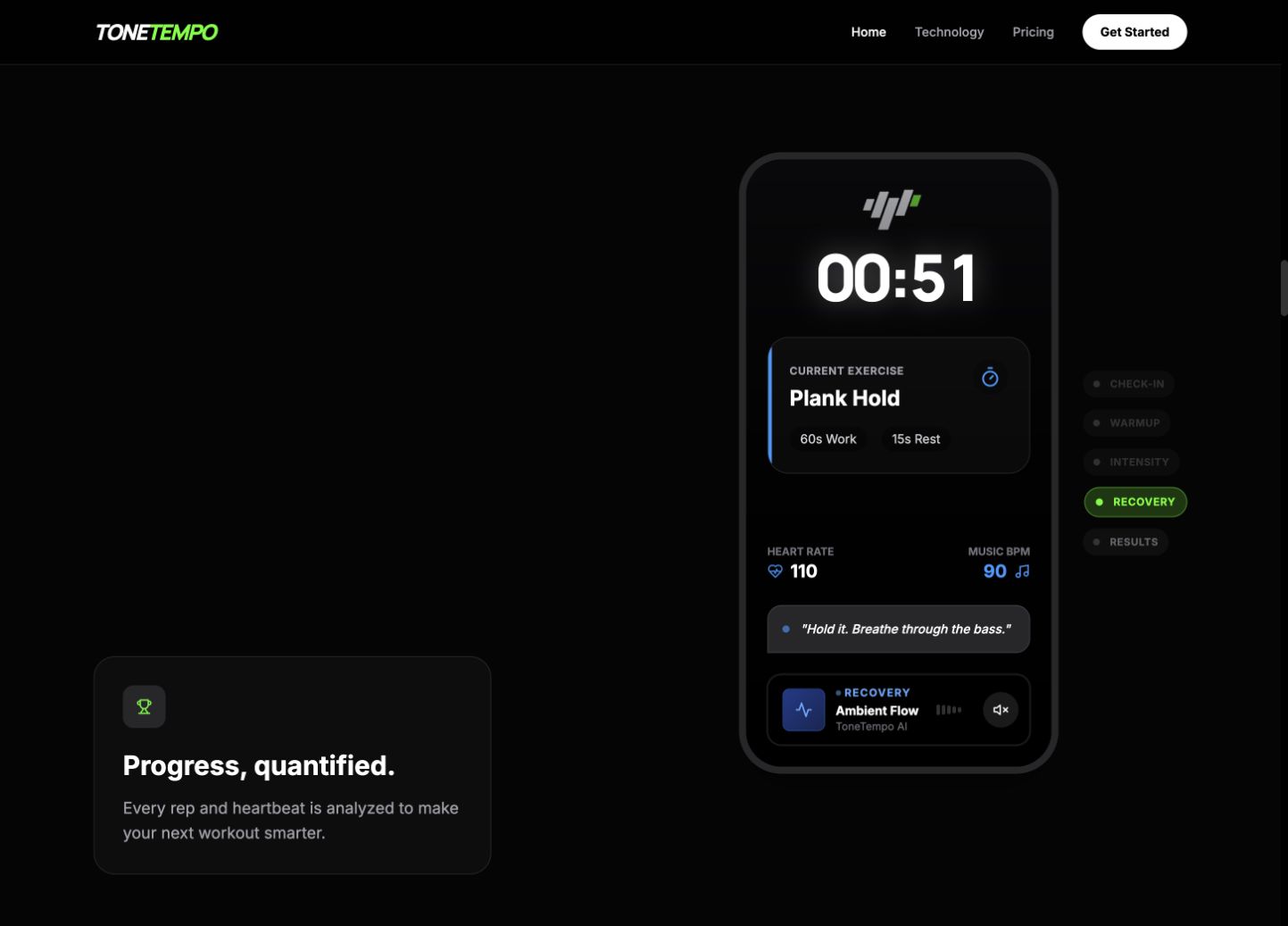
ToneTempo public homepage. Original browser capture, September 4, 2026.Homepage phone demonstration: conversational check-in and workout plan. Website demo, not a native-app capture.Homepage phone demonstration: workout timer, exercise, heart rate and music tempo.Homepage phone demonstration: recovery phase. Values shown belong to the public demonstration.Open video ↗ToneTempo homepage hero in motion. Original browser recording, September 4, 2026. No audio.Open video ↗ToneTempo product and launch creative. Earlier product iteration.Open video ↗ToneTempo advertisement, directed and produced by Bradley in collaboration with the editor. Compressed derivative with original soundtrack.
Through inKibra, I personally won the Mercury Build engagement, agreed an expansion after the initial contract, and partnered with a director at a major Pacific Northwest contractor to deliver the system. My work spanned product decisions, full-stack implementation and deployment. Mercury brings configurable forms, branching logic and visual workflows into construction management.
Full-Stack Development
Web Application
Workflow Automation
TypeScript
Cloud Architecture
Won the engagement, then expanded it
I personally closed the initial engagement, which ran for roughly four months, before agreeing an expansion that lasted roughly nine more months. At $25,000 per month, the work generated approximately $300,000 in engagement revenue. My role combined the client relationship with hands-on product and engineering delivery.
Build around the actual process
I partnered directly with a director at the contractor, connecting product decisions with hands-on engineering across construction-management workflows, implementation and deployment.
Tools the team can adapt
Public demos show a visual template editor, branching logic and custom workflow configuration, letting teams tailor information collection and handoffs between steps.
Open video ↗Template editor demo from Mercury Build's public website. Saved September 4, 2026.Open video ↗Branching demo from Mercury Build's public website.Open video ↗Custom workflows demo from Mercury Build's public website.
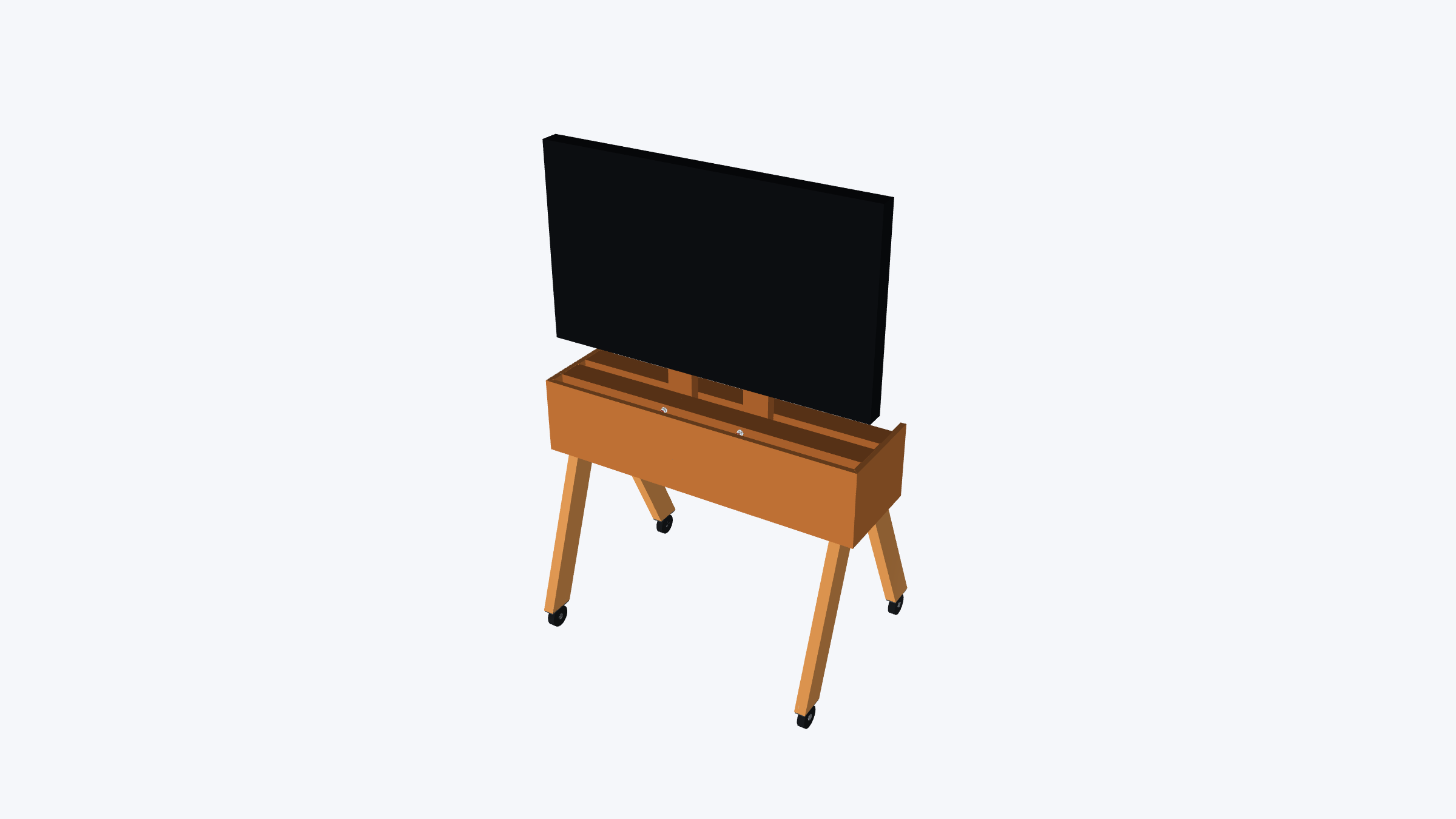
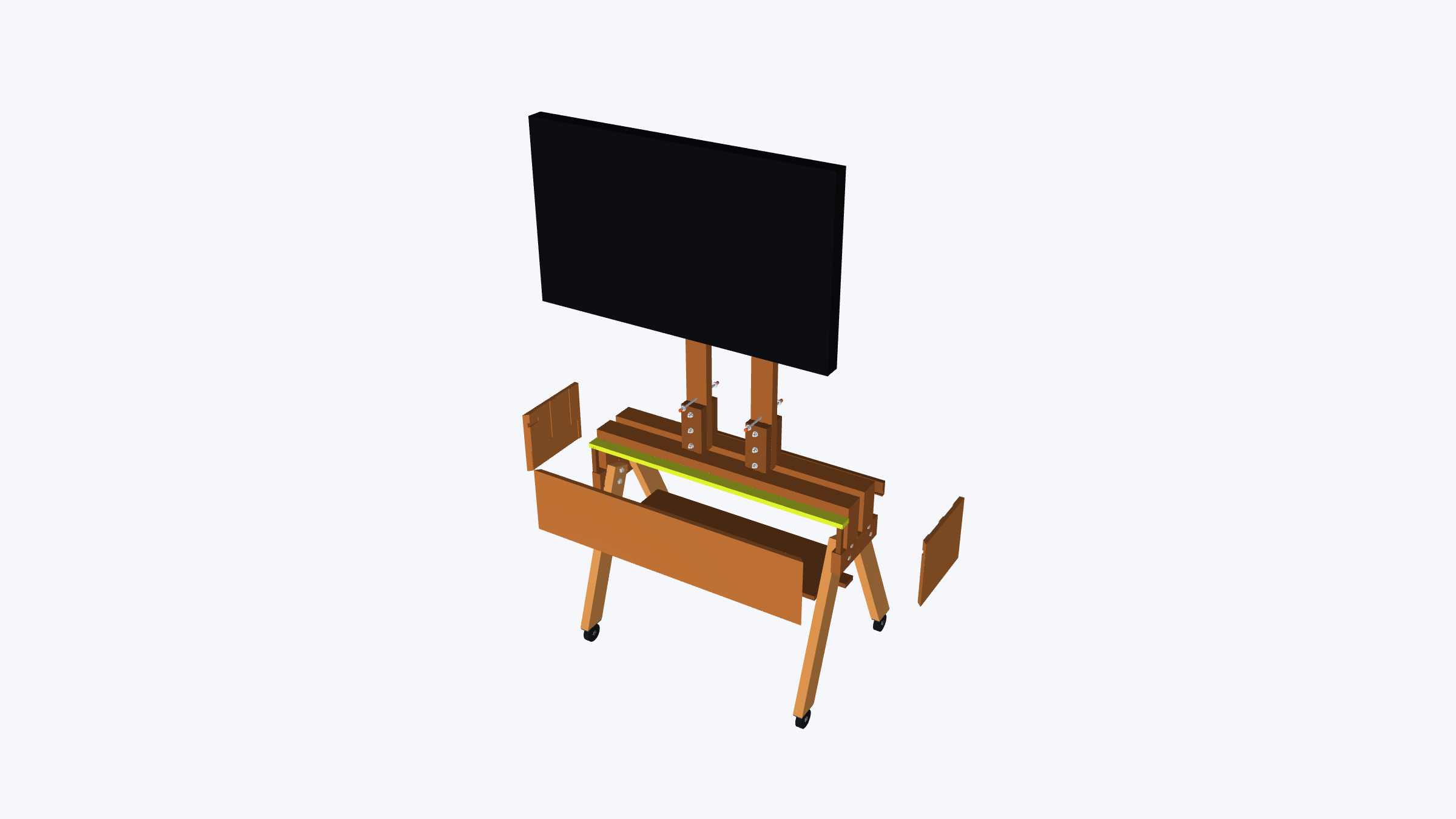
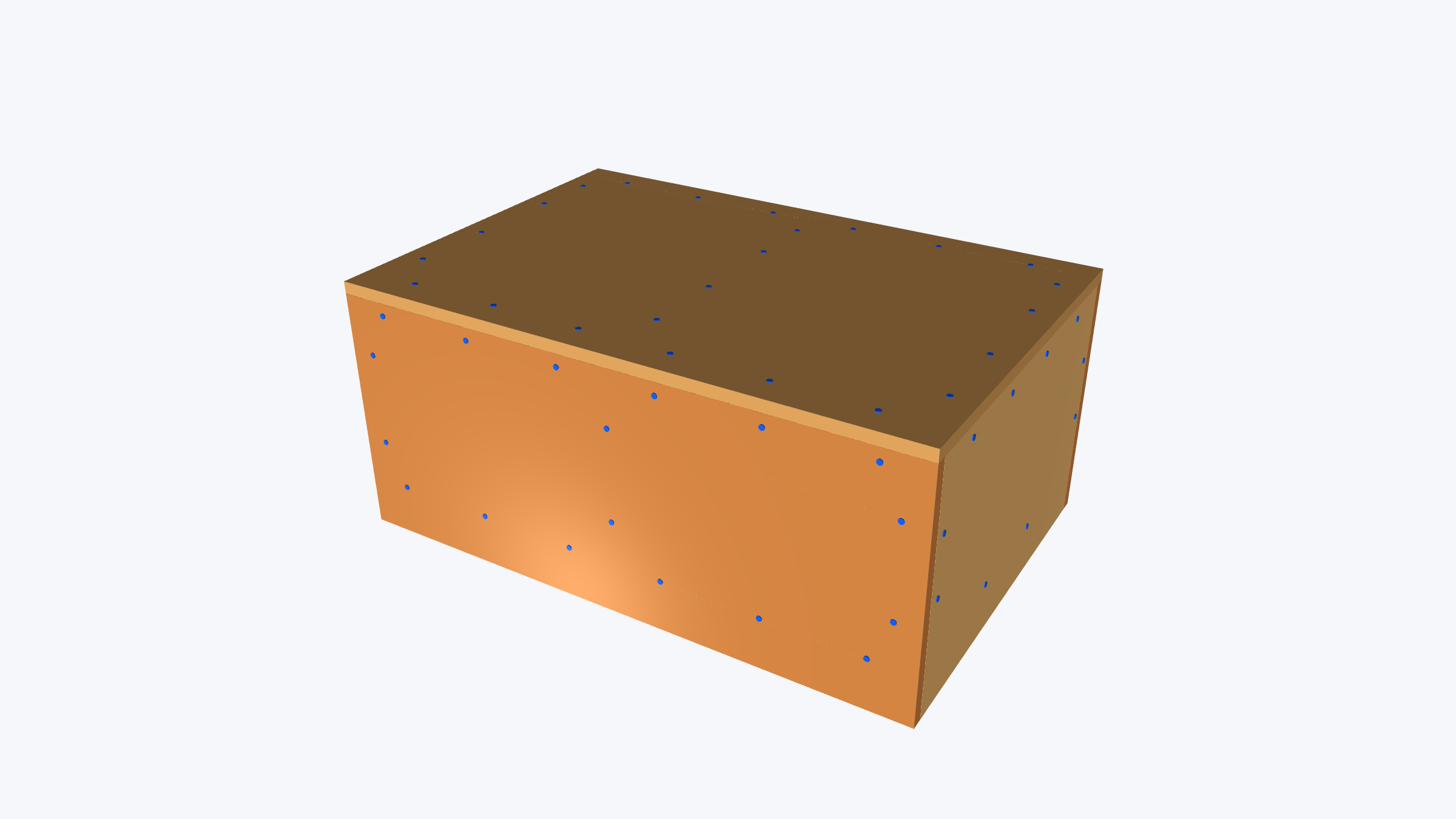
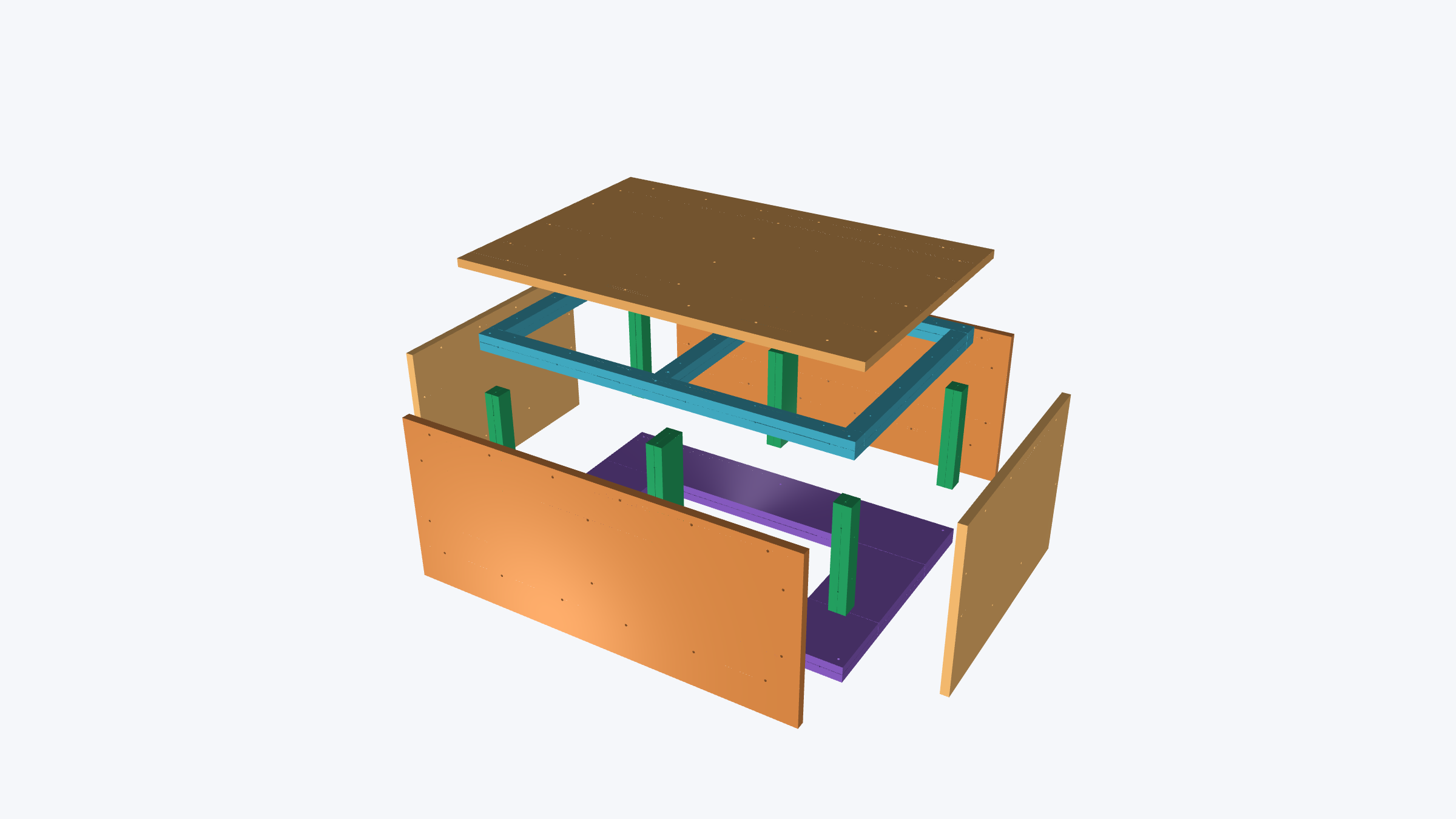
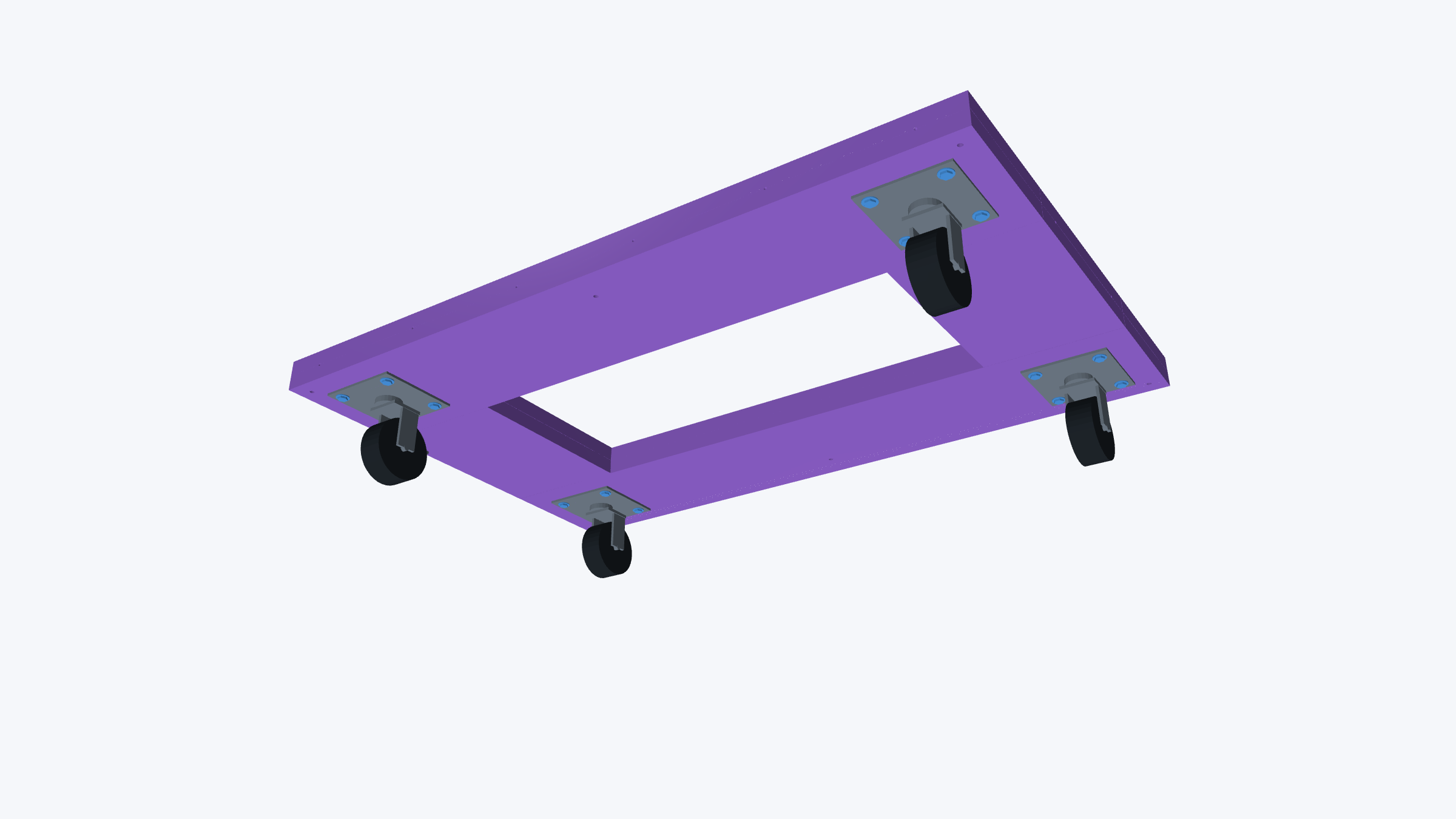
I directed a rolling TV stand and an OSB coffee table with a recessed caster frame, using an AI-assisted development workflow to connect design constraints, CAD geometry and project-specific build instructions.
Design Direction
CAD
Creative Tooling
AI-Assisted Development
Workflow Design
1 / 7
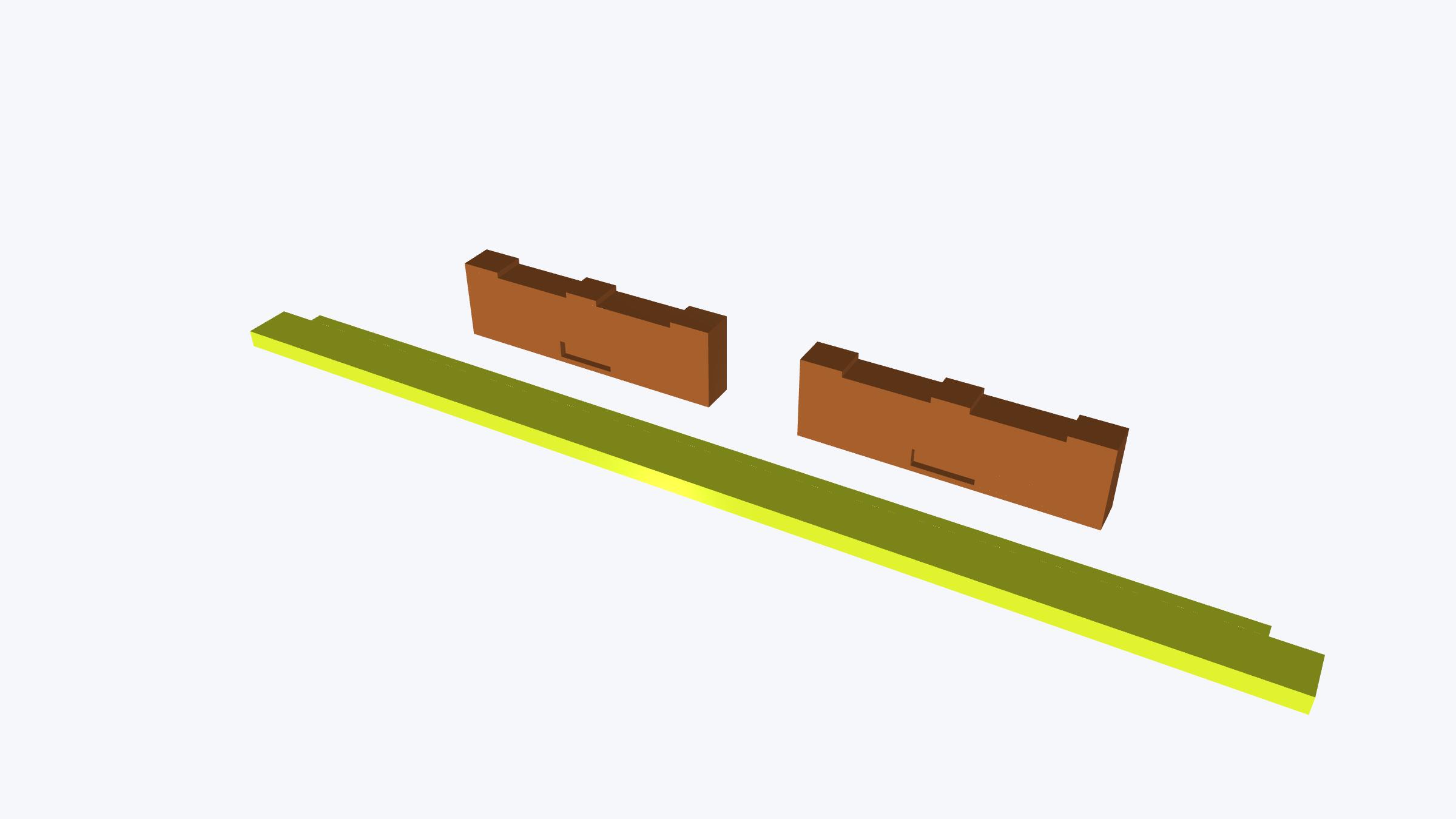
Open video ↗TV stand workflow · 70 seconds, silent. Real browser execution: CAD → regeneration → Build guide → inventory → EB1/EB2 cut layout → routing → end-frame assembly. No waiting shortened; stage animations show geometric states, not physical machining.Rolling TV stand: a 44.5-inch console beneath a measured TV envelope. Actual CAD; schematic colors, placeholder TV and caster volumes.TV stand: shell, internal chassis and upright assembly revealed through an exploded CAD view. Presentation-only group translations, not an installation sequence.TV stand: EB1/EB2 end beams and BR1 front brace, showing routed seats and notches. Actual final-stage guide geometry; this presentation omits callouts. Use the dimensioned guide for measurements.OSB coffee-table concept with a recessed caster frame. Actual CAD render before tile or other finish; not a finished-build photograph.Coffee table: shell, upper frame, posts and laminated lower frame separated to reveal component relationships. Exact wood solids, presentation-only offsets; hardware omitted. Not a fastening sequence.Coffee table: underside of the wide laminated caster frame. Actual frame and provisional caster geometry, isolated from the shell. Posts and wood fasteners omitted; not evidence of hardware fit or drilling validation.
From design intent to instructions
My contribution centered on measurements, design decisions and iterative review: challenging ambiguous illustrations and asking for CAD-linked dimensions, raw-stock allocation and explicit checks. Codex assisted implementation; JSCAD and renderer libraries provide geometry and visualization. Specific personal code authorship is not established by this evidence.
A component you can trace
The 70-second TV stand recording follows EB1/EB2 from CAD through guide regeneration, inventory, cut layout, routing and end-frame assembly. It is real browser execution, silent and unshortened. The project-specific guide generates on page load; this is not a generic convert-any-CAD tool.
Two designs
shared workflow
Evidence and limits
These are actual schematic CAD renders, not finished-build photographs. Exploded offsets show component relationships, not fastening order. Casters and hardware fit remain provisional; selected geometry checks do not establish structural approval, physical-build validation, novice usability or time savings. Guide callouts retain documented crowding and labeling limitations. The downloadable guides are evidence, not manufacturing-ready plans.
I built GitSpace to organize agent goals, decisions, code, review evidence and running services across local machines and cloud resources.
Full-Stack Development
AI Agent Development
Cloud Architecture
TypeScript
Product Design
More than a fleet dashboard
GitSpace keeps goals, implementation, review evidence and running services connected in durable workspaces. The broader platform spans machines, agent questions, service previews and operational context.
Make the next action obvious
Working, idle, asking and closed states help a developer decide where to intervene instead of opening every stopped thread.
Open video ↗GitSpace demonstration from the public note Babysitting agents sucks.
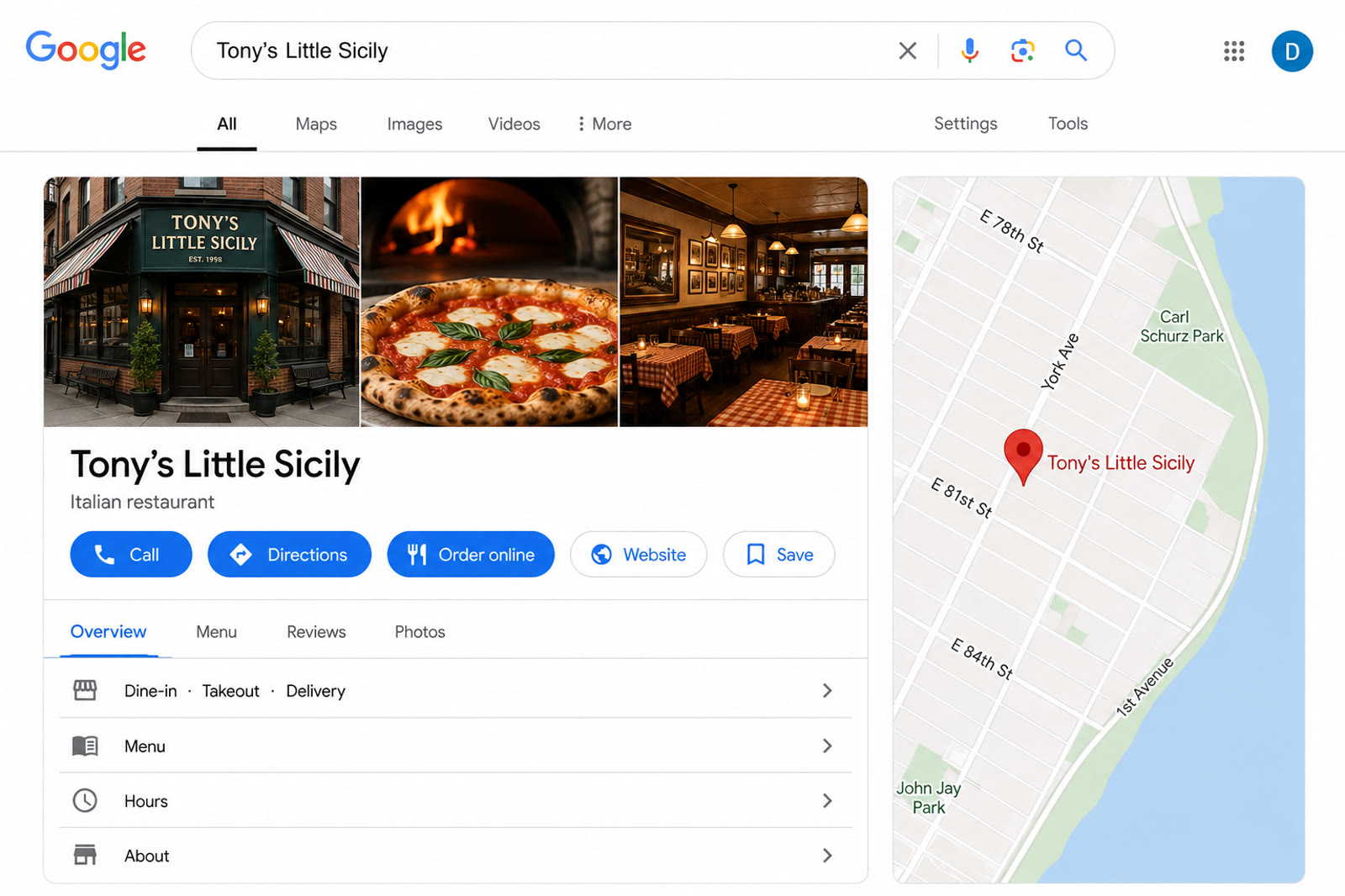
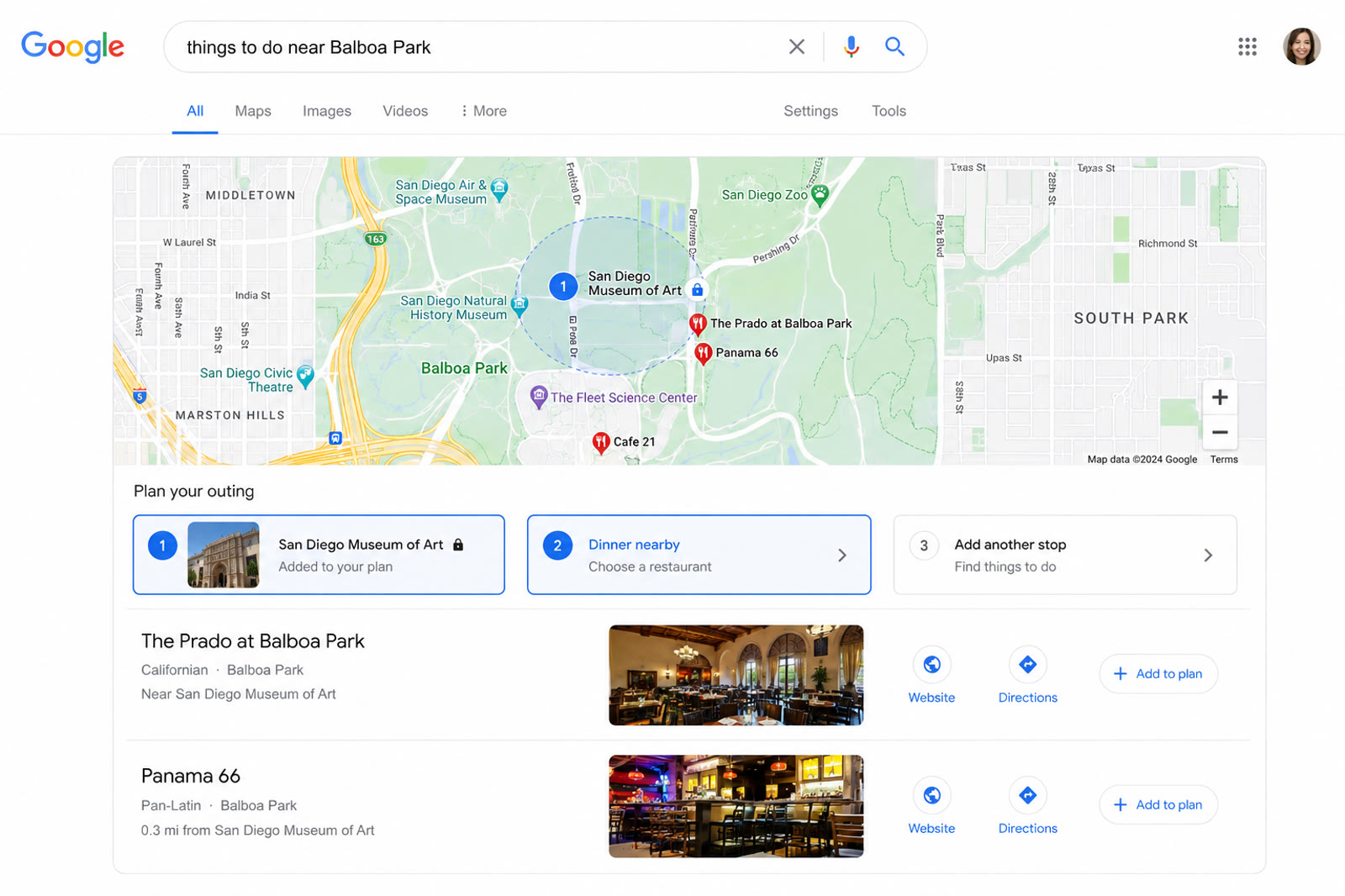
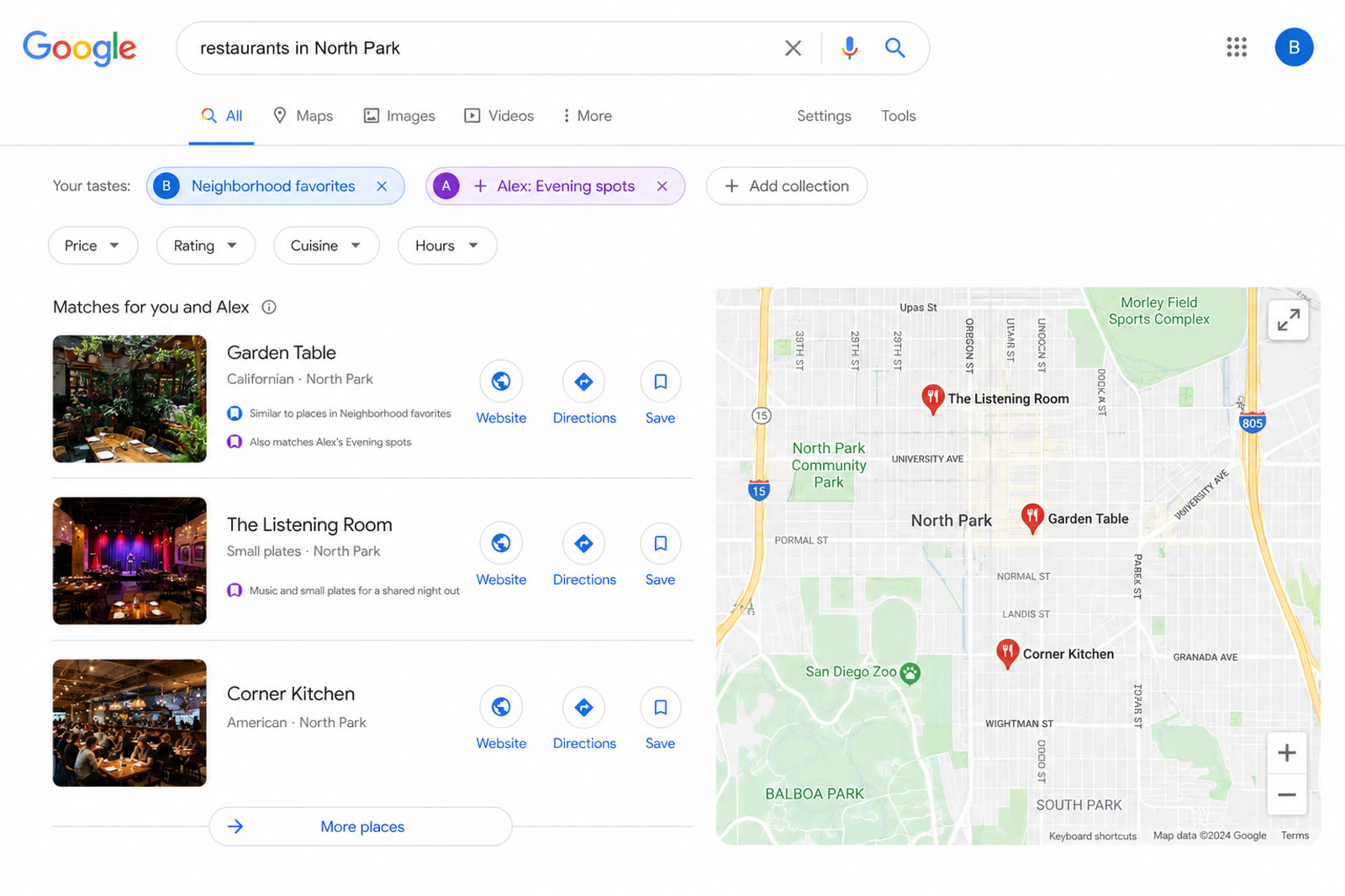
At Google, I worked on local-answer actions for calling, directions and food ordering, Geo speech, and new ways to discover places. I also won three Google hackathons: recovery for misunderstood voice queries, a multi-stop journey planner, and taste-based local search with shareable collections. These images are illustrative recreations of my contributions, not original Google screenshots.
Software Development
Natural Language Processing
Prototyping
User Experience Design
Web Development
Plan a sequence, not three unrelated searches
The journey-planning concept let a person lock a first stop, search around it for a second, then continue from the second location to a third. Three horizontal cards kept the evolving plan visible alongside search and the map.
Search with a shared sense of taste
I worked on using a collection or taste signal as an input to local search, including combining it with a friend's preferences. I also contributed to explanations of why a result fits.
Recover a spoken request
My hackathon work addressed misunderstood audio queries with a clarification rather than a dead end. The confirmed showcase surface was a screen-equipped Google Home device, and the owning team subsequently shipped the recovery feature.
Separate speech contributions
Geo text-to-speech reliability was another contribution, distinct from recognizing and recovering incoming spoken queries.
Illustrative recreation: local-answer actions for calling, directions and food ordering. Example restaurant.Illustrative recreation: multi-stop local planning. Example locations and map are reconstructed.Illustrative recreation: using personal and shared taste signals in local discovery. Example profiles and explanations.
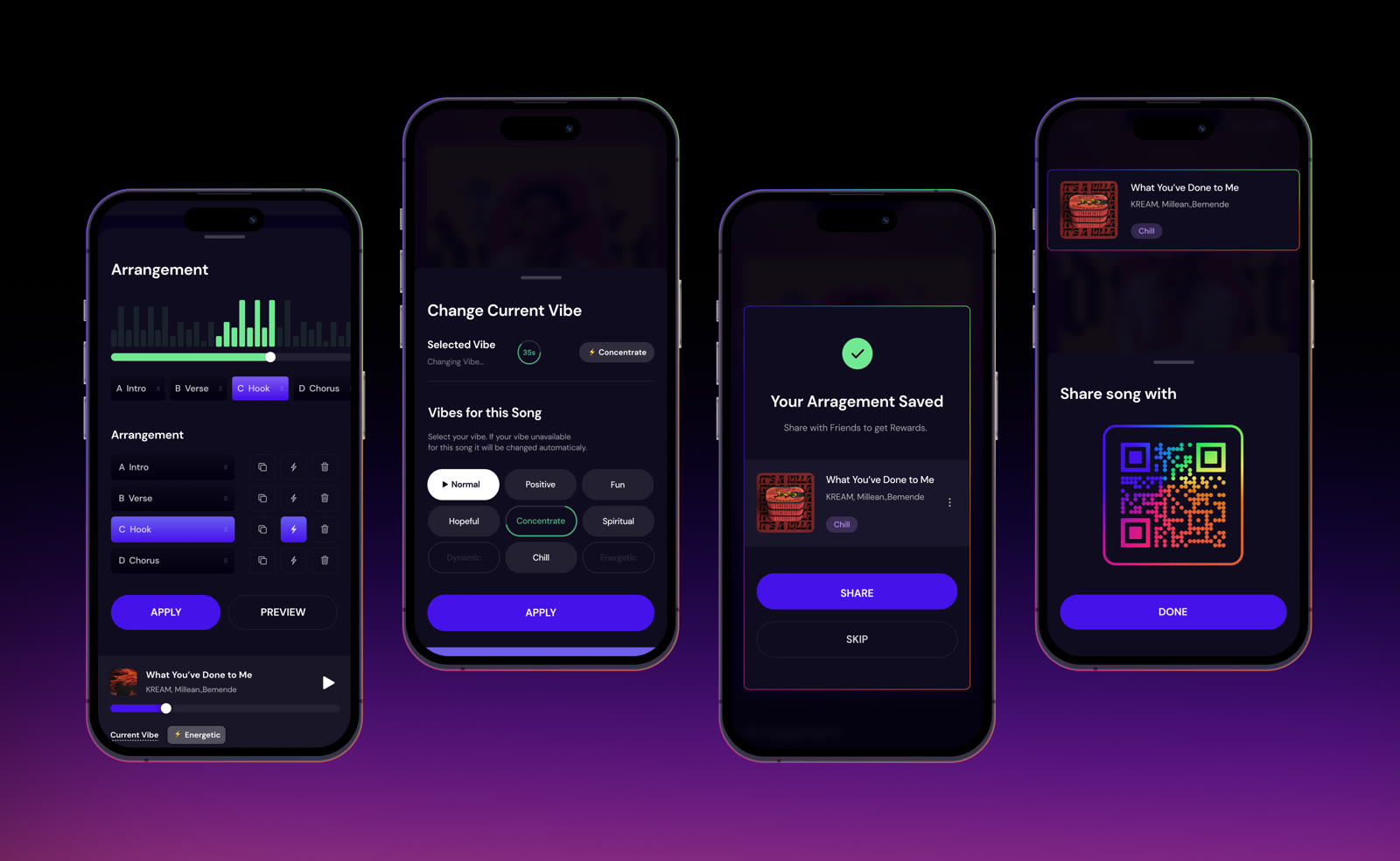
I co-invented a method for restructuring audio within a file, granted as U.S. Patent US12602426B2 with Roshni Lulla. My engineering connects interactive music arrangement with Recordless and ToneTempo using Rust/WASM and native audio systems.
Audio Engineering
Rust
WebAssembly
Software Architecture
Research & Development
From fixed recording to interactive material
The engineering problem is how to rearrange audio while preserving a coherent listening experience. My work connects that system-level problem to music that responds within a product.
Inventor credit
U.S. Patent US12602426B2, Method for restructuring audio within an audio file. Co-inventors: Bradley Evan Leatherwood and Roshni Lulla. Assignee: Inkibra Inc.
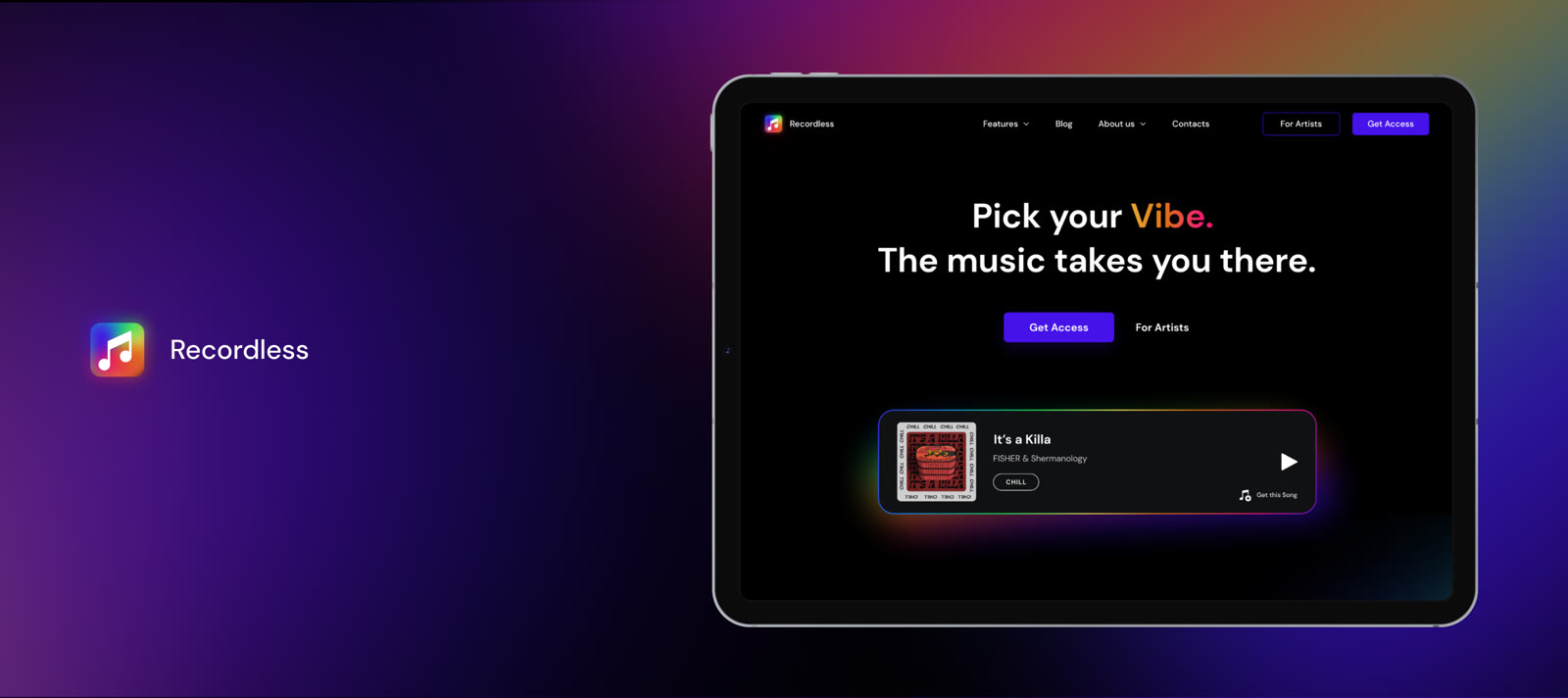
Recordless design presentation: arrangement editing, vibe selection, saving and sharing. Design credit: Victoria Samoilenko (Torry).Recordless web experience design presentation. Design credit: Victoria Samoilenko (Torry).
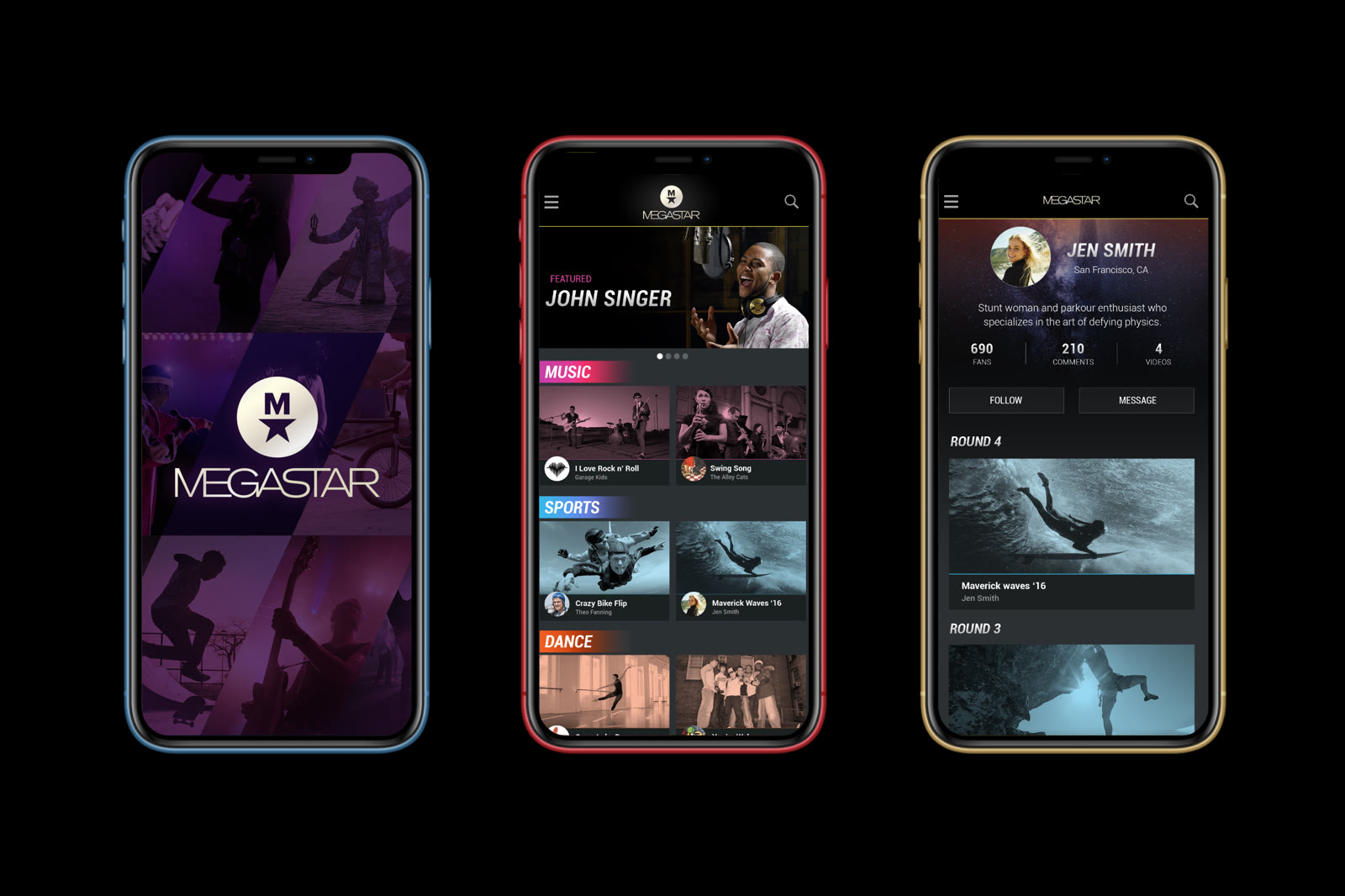
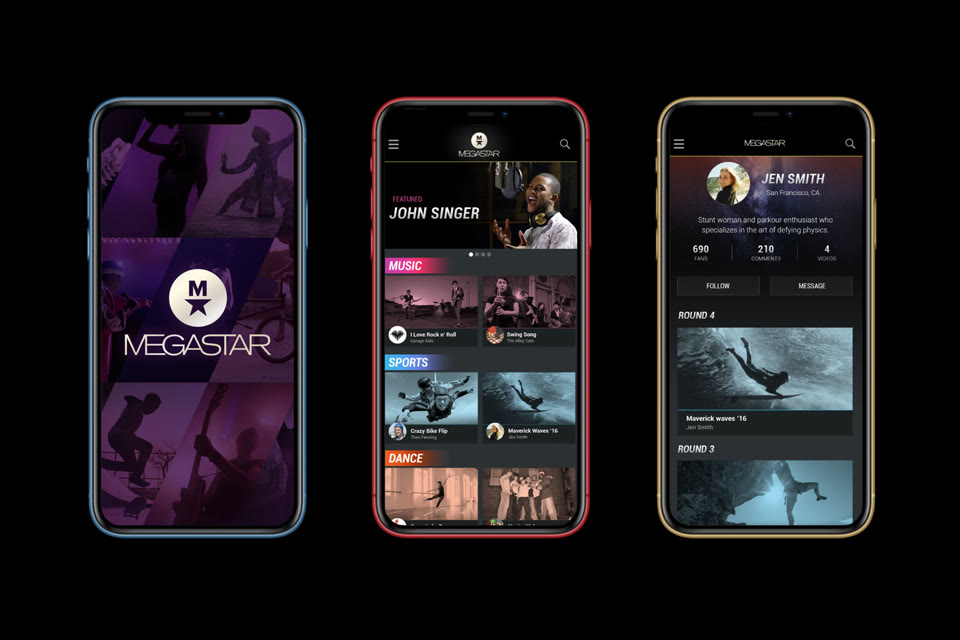
As Megastar's tech lead, I led engineering and technical integration of the app with the Usher launch production, connecting mobile audience interaction, real-time systems and live event operations alongside the production team.
React Native
WebRTC
Live Streaming
Full-Stack Development
Technical Leadership
The software had to work during the show
I led app integration and technical production work alongside the event production team, connecting the audience experience to the live launch.
Engineering scope
My work covered real-time audience interaction, mobile development and media infrastructure. I led a six-engineer team across streaming, deployment and live troubleshooting.
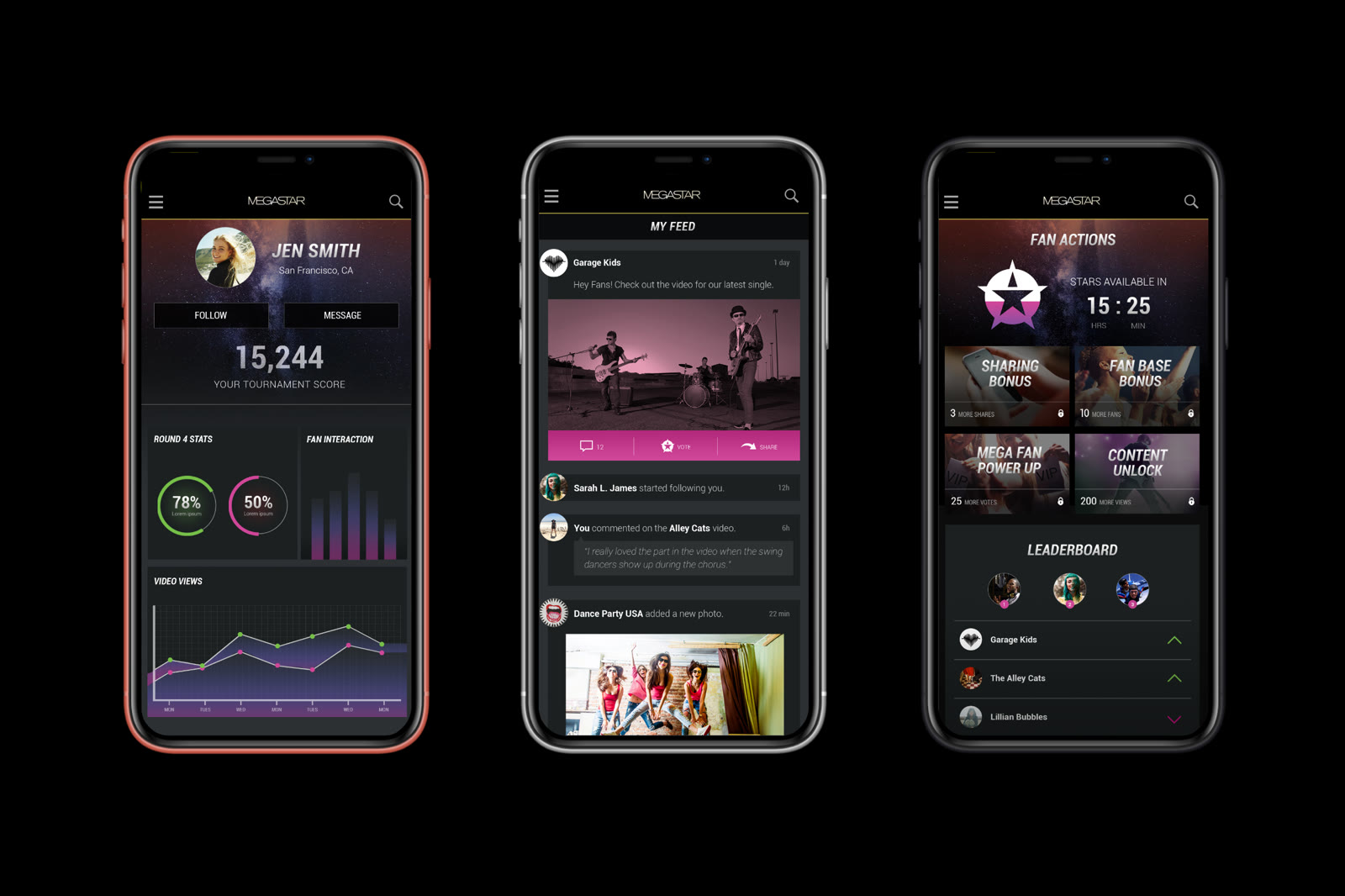
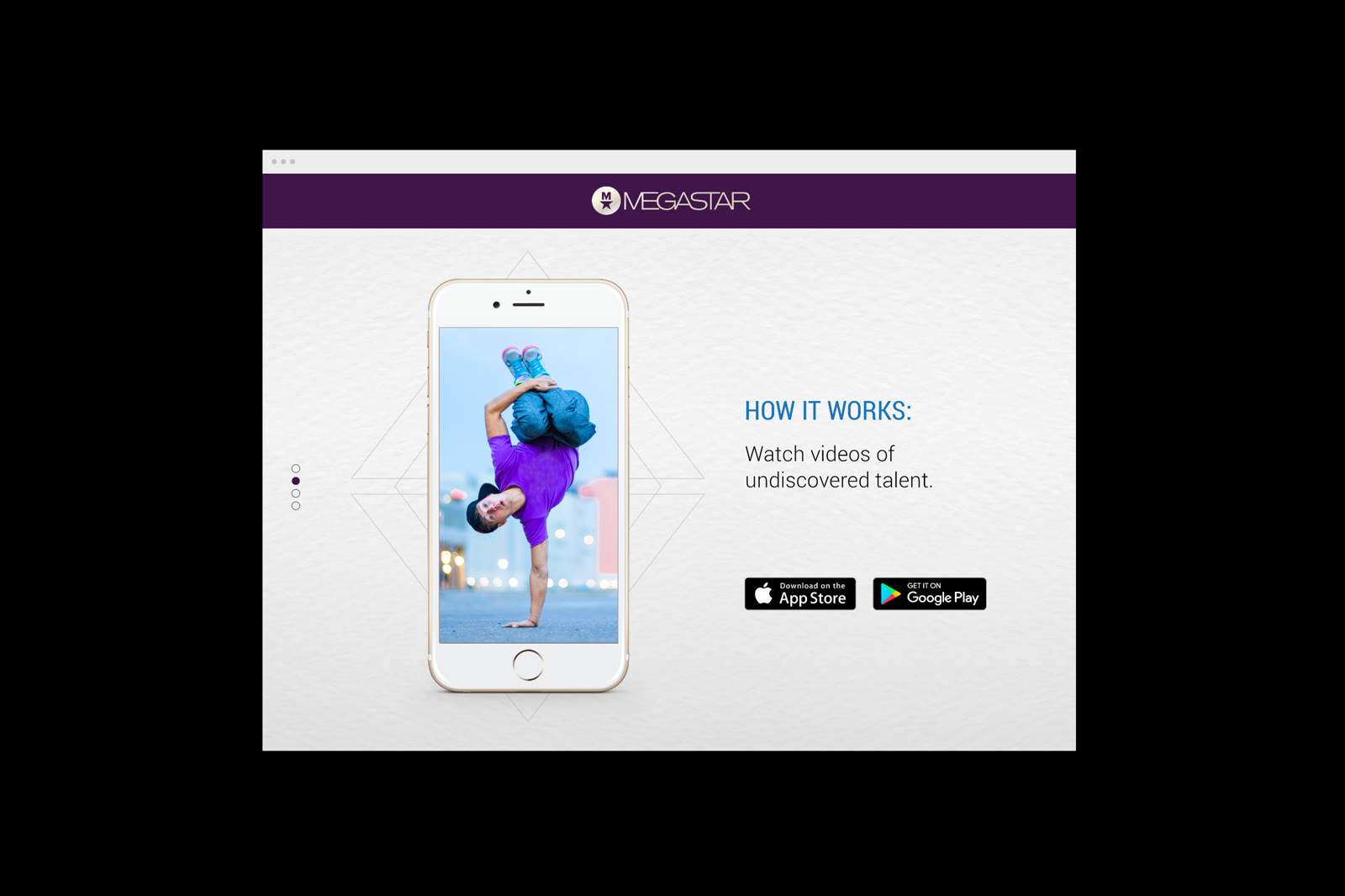
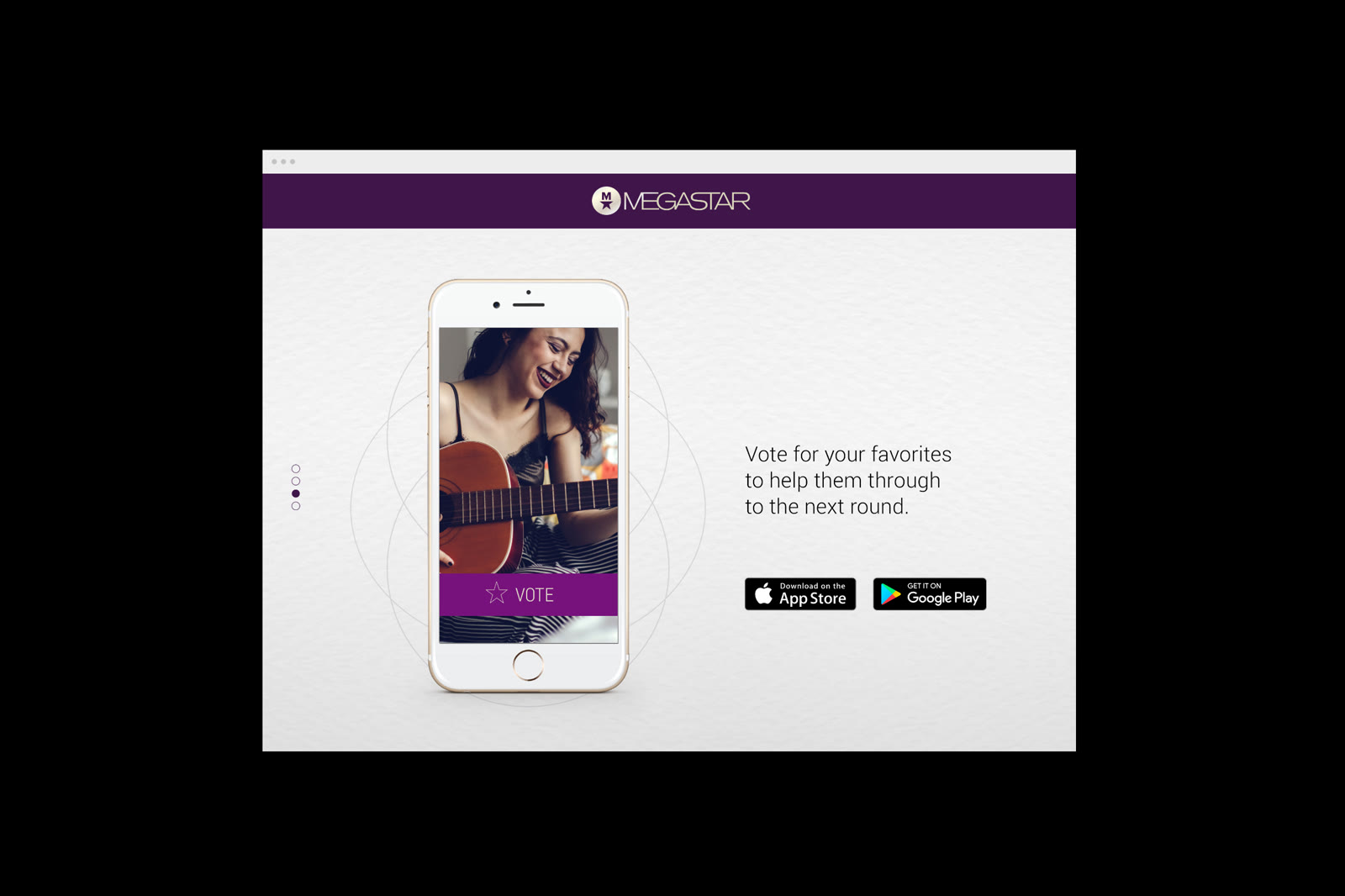
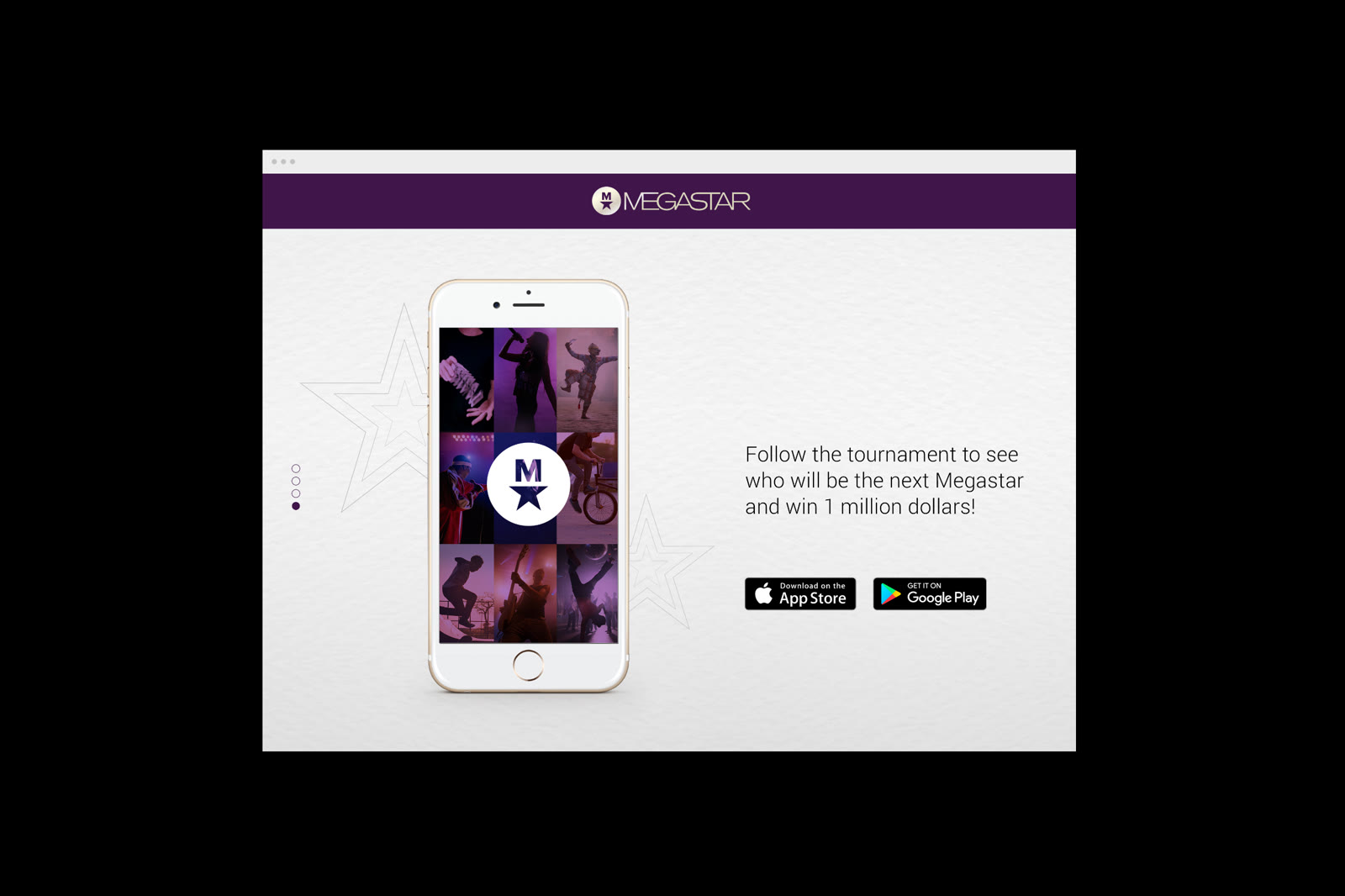
Megastar welcome, discovery and creator-profile design presentations. Source and design credit: Julie Nielsen.Tournament statistics, feed, voting and fan-action design presentations. Source and design credit: Julie Nielsen.Recovered Megastar launch case-study visual. Source and design credit: Julie Nielsen.Recovered Megastar launch case-study visual. Source and design credit: Julie Nielsen.Recovered Megastar launch case-study visual. Source and design credit: Julie Nielsen.Recovered Megastar launch case-study visual. Source and design credit: Julie Nielsen.Usher promotional portrait from the October 2017 launch announcement. Credit: Megastar. Not a photograph of the live show.
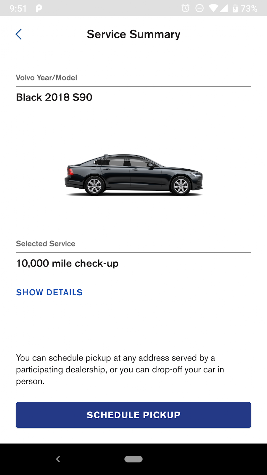
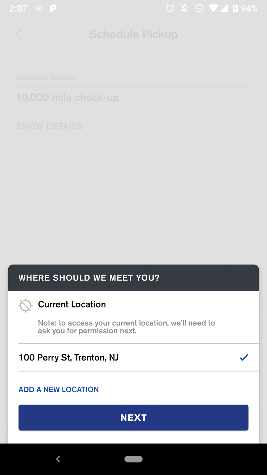
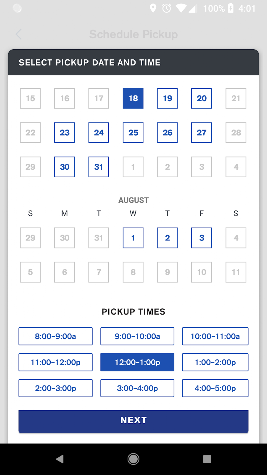
At Luxe / Volvo, I helped evolve the service platform after the acquisition, working on backend workflows and clearer interfaces between backend and frontend development, including SDK-first integration, tooling and localization.
Backend Development
API Development
Software Architecture
Full-Stack Development
JavaScript
Service experience, supported end to end
I worked on the platform and service-flow software behind the customer experience, including backend coordination and integration foundations.
Make integration easier to maintain
The work included an SDK-first approach and AST-based tooling to help frontend engineers migrate consistently as the backend evolved.
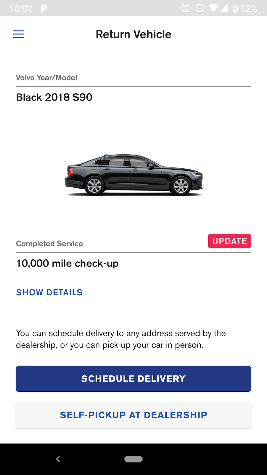
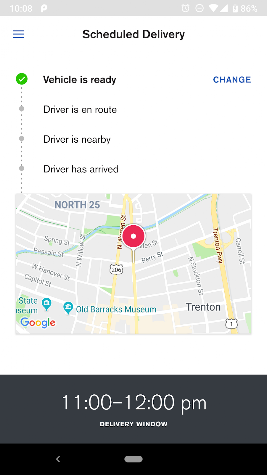
Service summary and pickup scheduling. Surviving Volvo Valet app-store screenshot; exact capture date unverified.Pickup address selection. Surviving Volvo Valet app-store screenshot; exact capture date unverified.Pickup date and time selection. Surviving Volvo Valet app-store screenshot; exact capture date unverified.Vehicle return and delivery scheduling. Surviving Volvo Valet app-store screenshot; exact capture date unverified.Delivery progress and driver tracking. Surviving Volvo Valet app-store screenshot; exact capture date unverified.
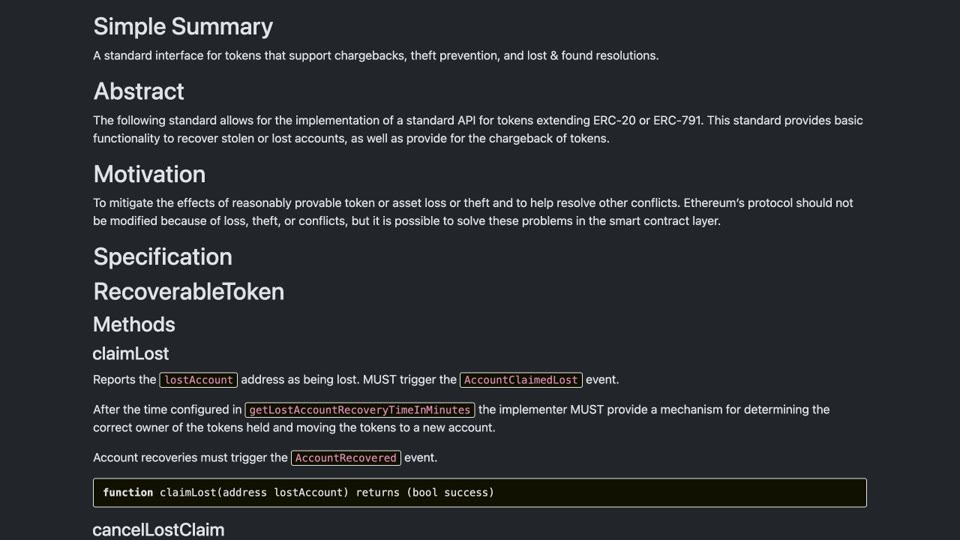
I authored ERC-1080, a proposed interface for recovering lost or stolen tokens and handling chargebacks. Researchers at INESC-ID and Instituto Superior Técnico later documented an independent implementation using the interface in IEEE NCA 2020 research.
Blockchain
Ethereum
Smart Contract
API Design
Technical Writing
A recovery interface, not universal reversibility
The proposal explores a common interface for recoverable tokens. It is a proposed ERC, not an adopted Ethereum-wide standard.
Independent implementation
Filipe F. Martins, David R. Matos, Miguel L. Pardal and Miguel Correia documented a recoverable-token implementation in their IEEE NCA 2020 paper. Their implementation is independent work.
Public ERC-1080 specification visual.
At Trunomi, I worked on interfaces and infrastructure for consent and customer-data workflows, including consent-card experiences, workflow composition and enterprise integrations. My work connected user-facing controls to models, SDKs and security foundations.
Full-Stack Development
API Integration
User Experience Design
Data Privacy
JavaScript
Connect the card to the system
The visible consent experience was one part of the work. I also worked on workflow composition, ledger models, SDKs, authentication and state-machine testing.
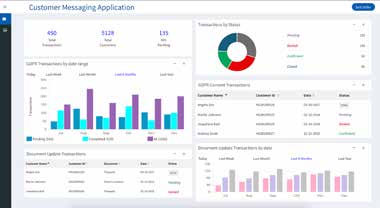
Trunomi Customer Messaging Application dashboard, reproduced in the IAPP 2017 Privacy Tech Vendor Report, page 61. Original low-resolution image.
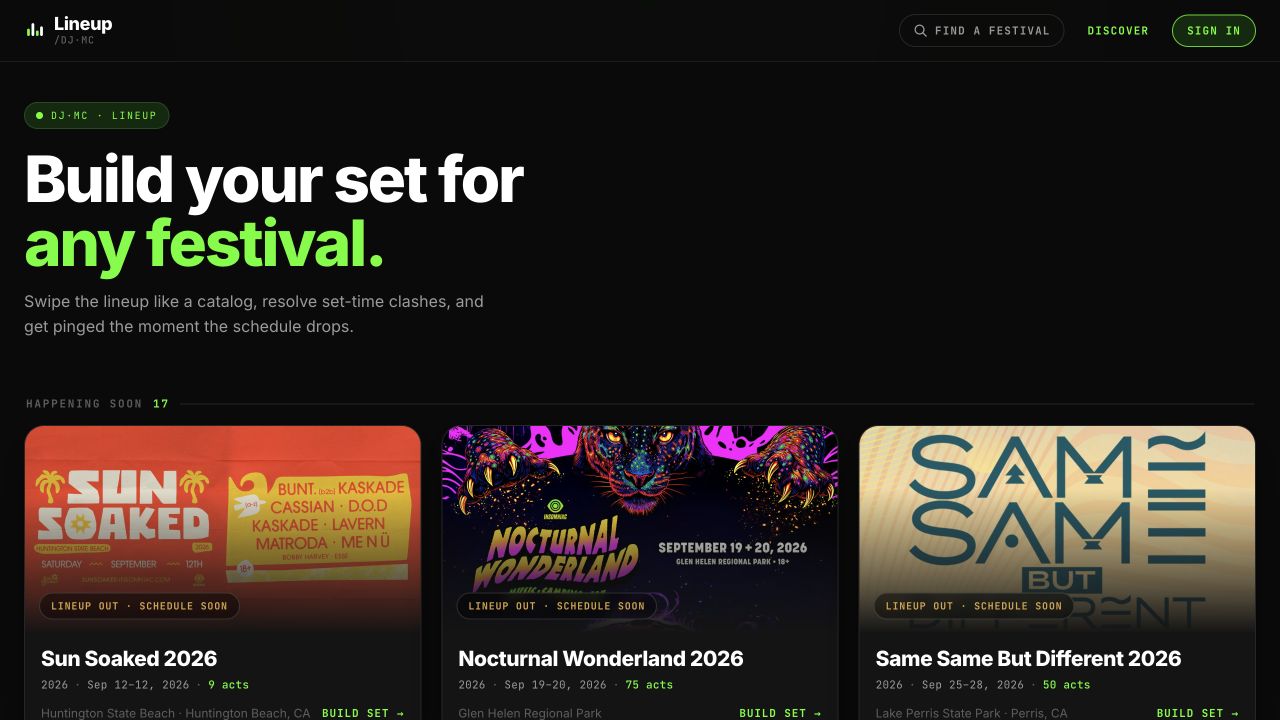
I built Lineup as a self-directed full product for discovering festivals and planning which artists to see, with a swipe-based catalog, set-time clash resolution and schedule alerts.
Full-Stack Development
Web Development
Web Application
User Experience Design
Frontend Development
Lineup public homepage, captured September 4, 2026. Original browser screenshot, not a recreation.
Bradley Leatherwood B.E.L
You bring the problem. I design the path and ship it.
Founder of inKibra , an AI development & deployment company. Former
Google Search engineer — features used by a billion people. Named inventor on a
granted U.S. patent. Fifteen years across startups, scale-ups, and Google, owning
the work from product design through production.
Adobe Creative Cloud (Photoshop, Lightroom, After Effects), Adobe Acrobat, Figma, Paper, marketing creatives and brand assets, Studio One and Ableton (music production)
Audio Engineer
Web Audio API, AVAudioEngine, real-time DSP for music recomposition
FIG. 2 — recomposition apparatus · U.S. Patent US12602426B2
102
source track
⟶
104
recomposition engine
⟶
106
adaptive output
<30 ms
Proprietary AI fitness and interactive-music products built inside inKibra: personalized workouts, real-time coaching, and patented dynamic music recomposition.
The engine labels a track's sections and recomposes them live — at sub-30 ms latency:
FIG. 2 — recomposition apparatus · U.S. Patent US12602426B2
102
source track
⟶
104
recomposition engine
BPM-aware · equal-power crossfades · stem-aware
⟶
106
adaptive output
<30 ms latency
IN
VERSE
CHORUS
CHORUS
VERSE
DROP
OUT
the original arrangement…duplicate the chorus…insert an extra verse…stretch sections to match your pace
An AI you talk with, not at.
Most AI chat is turn-taking: you wait. ToneTempo's coach attends to multiple threads in one chat — answering the quick question while a longer reply is still being composed.
↳ workout planRebuild today's workout — longer cooldown, new music.
composing your plan…
↳ quick questionQuick one — good warm-up BPM?
↳ answered instantly100–115 BPM — I'll start you at 108.
↳ workout plan · doneDone — cooldown extended to 8 min, playlist recomposed to land on slower sections.
Shipped, on the App Store, in use.
TypeScript, React, Tauri iOS, Swift plugins, HealthKit, Stripe and Apple IAP — through TestFlight alphas to production.
Joined immediately after the acquisition as one of three backend engineers turning the Luxe car-movement engine into Volvo service infrastructure — re-architecting backend workflows so the startup's valet engine could power Volvo's consumer service flows, the service foundation for the Polestar launch.
Led the SDK-first refactor (TypeScript AST codemods) that drew a clean API boundary between the backend and the five-person frontend team — unlocking parallel frontend development, eliminating duplicated code and cyclic dependencies, and introducing a Cap'n Proto / GraphQL–inspired pattern for bundling API calls.
Built the localization workflow (GitHub Actions, Docker) used by the Luxe and Volvo On Call teams; advised European GDPR and Chinese data-compliance architecture.
Flight training resumed
alongside the Luxe/Volvo years
MSMCI / Megastar
2017 – 2018
Engineering Team Lead & Senior Full Stack Developer
Architected the microservice framework, self-documenting protobuf-inspired RPC tooling, and WebRTC-based sub-second event streaming that let live polls and chat games track the broadcast in real time — the show's engagement engine.
Led a six-person engineering team across React Native apps, release workflows, and FFMPEG/CDN/Wowza video pipelines on AWS with Terraform, Docker, and Consul.
Owned hiring — designed a methodology of phone screens, coding challenges, and team interviews, and grew the team by two engineers.
Helped set up and produce the end-of-season live show streamed by Usher — including firefighting a last-minute streaming-vendor settings change as the broadcast went live.
Led product development of a machine-learning social-media usage optimizer for brands and influencers — interviewed external stakeholders to identify market needs and opportunity size, collaborated on the business plan, and presented recommendations to senior management.
Architected TypeScript microservice APIs with ledger-based data models, generated clients and SDKs, JWT authentication, and enterprise partner integrations.
Built a finite-state-machine tester proving complete state-transition coverage; owned cloud-security — managing a PKI and secrets with Vault and Keybase and setting the developer toolchain and best practices.
Contributed to the product roadmap with a component-based workflow-composition UI that sidestepped rules-engine complexity entirely — ASN.1/PKCS#7 for security, multi-part messages for legacy compatibility and extensibility.
Named inventor on Trunomi's 2017 consent-management filings — obtaining and releasing personal information under explicit user authorization, years before the privacy-compliance category consolidated around the same problem.
Cited by
Selected citing entities for Trunomi filing US20170140174A1 · 284 citing publications in the 2026-09-10 snapshot. Counts are publication records, not endorsements or unique inventions. DHS: U.S. Department of Homeland Security.
Built the team's log-search and analytics tools — shared searches and saved analysis scripts that let the six-to-eight-person sales-engineering team cut through exchange logs to spot failures and usage patterns across billions of daily impressions — making key queries 10x faster.
Reported to the COO and Director of Global Sales Engineering; integrated demand-side platforms and ad networks into the exchange.
Independent Projects & Consulting
2013 – 2020
Consultant & Open-Source Author
Authored EIP-1080 (Recoverable Token), an early complete interface for recovering lost or stolen tokens at the contract layer — engaging the Ethereum community and the Kleros arbitration network on game-theoretic griefing constraints. Researchers at Instituto Superior Técnico, University of Lisbon built the first full implementation of it, naming their IEEE paper after the proposal and benchmarking its exact function calls.
Led Horizon Games' scaling research and early prototypes — account-based Plasma, Tendermint-style consensus, a TypeScript/WebAssembly sidechain with a two-way Ethereum bridge — work that fed the core technology that became Sequence, the wallet platform now powering millions of onchain interactions.
Consulted for Bitfinex/Ethfinex on market-making incentives — built the reference solution on the 0x protocol with token auctions and a fee-collecting ERC-20.
Audited the designs that preceded Bitfinex's production Nectar token — eliminating reentrancy and overflow attacks, with simulation mocks to tune parameters against griefing and sybil attacks.
Built Smaato's first self-service ad-tag creation flow (React/Node, designed end to end) so clients could configure tags for any SDK without sales-engineer help — plus malicious rich-media testing pipelines, OpenRTB bidder integrations, and VAST compliance automation.
Migrated MSMCI's AWS infrastructure to a new account within 24 hours with zero app downtime, using Terraform, Consul, and Docker.
Martins, Matos, Pardal & Correia. Recoverable Token: Recovering from Intrusions against Digital Assets in Ethereum. IEEE NCA, 2020. INESC-ID / Instituto Superior Técnico, University of Lisbon. PDF ↗ · EIP-1080 specification ↗